


In the realm of industrial machinery and automation, the question of whether linear guideways can be used in heavy - duty applications is a crucial one. As a supplier of linear guideways, I have witnessed firsthand the diverse needs of industries and the role that linear guideways play in heavy - duty operations.
Understanding Heavy - Duty Applications
Heavy - duty applications typically involve high loads, high speeds, and often harsh operating environments. Industries such as manufacturing, mining, construction, and aerospace demand equipment that can withstand extreme conditions. For instance, in a manufacturing plant, large stamping presses require linear guideways that can support the heavy force exerted during the stamping process. In the mining industry, equipment used for ore extraction and processing needs to operate under high - load conditions with reliability.
Characteristics of Linear Guideways for Heavy - Duty Use
Load - Bearing Capacity
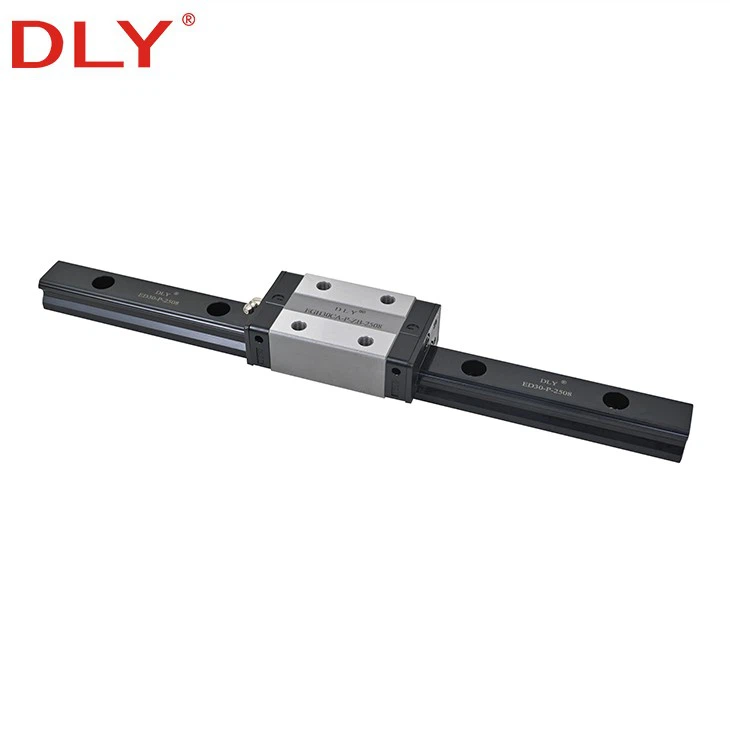
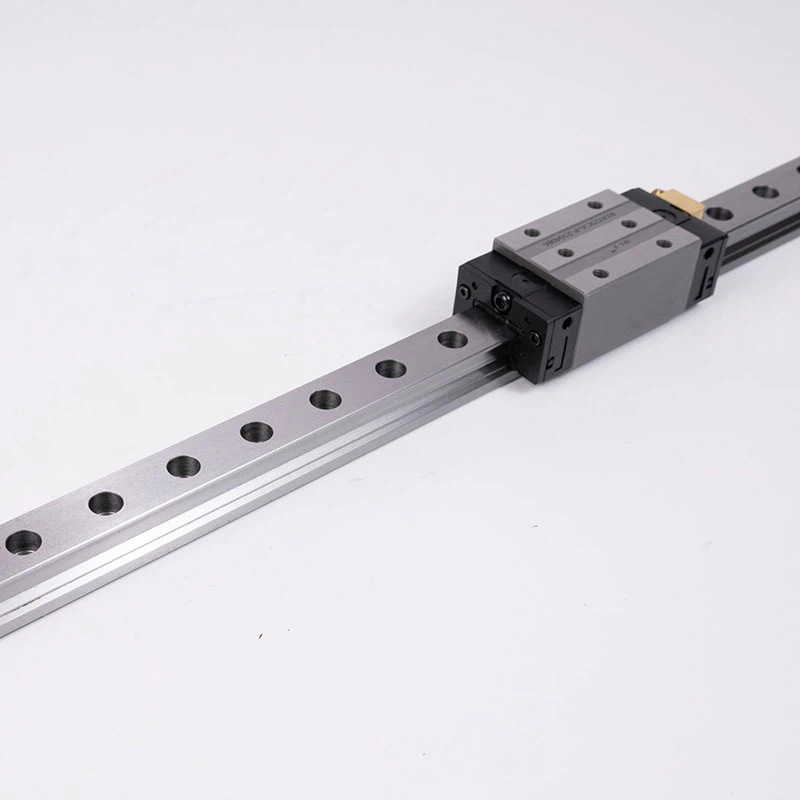
One of the most important features of linear guideways for heavy - duty applications is their load - bearing capacity. Our High Precision Linear Rails are designed with advanced engineering to handle significant loads. They are constructed using high - quality materials such as hardened steel, which can resist deformation under heavy pressure. The raceways are precisely machined to ensure smooth movement even when carrying large loads. This precision machining also helps in distributing the load evenly across the guideway, reducing stress concentration and extending the lifespan of the guideway.
Rigidity
Rigidity is another key factor. In heavy - duty applications, any flexing or deflection of the guideway can lead to inaccurate positioning and reduced performance. Our linear guideways are engineered to have high rigidity. The design of the guideway structure, including the shape of the rails and the size of the rolling elements, is optimized to minimize deflection. This ensures that the machinery can operate with high precision, even under heavy loads.
Durability
Durability is essential in heavy - duty applications where the guideways are exposed to continuous wear and tear. Our guideways are treated with special surface coatings to enhance their resistance to corrosion and abrasion. For example, the use of a nitriding process on the rails can significantly improve their hardness and wear resistance. This allows the guideways to operate in harsh environments, such as those with high levels of dust, moisture, or chemicals, without premature failure.
Examples of Heavy - Duty Applications
Machine Tools
In machine tool applications, linear guideways are used to support the movement of the cutting tools and workpieces. High - precision machining operations, such as milling, turning, and grinding, require guideways that can provide smooth and accurate motion. Our RD Square Guideway is well - suited for these applications. It offers high load - carrying capacity and excellent rigidity, which is crucial for maintaining the accuracy of the machining process. The square design of the guideway provides additional stability, making it ideal for heavy - duty machine tools.
Automated Storage and Retrieval Systems (AS/RS)
AS/RS systems are used in warehouses and distribution centers to store and retrieve goods automatically. These systems require linear guideways that can handle the heavy loads of the storage racks and the fast - moving shuttle vehicles. Our linear guideways offer the necessary speed and load - bearing capacity for these applications. They are designed to operate with high efficiency, reducing the cycle time of the AS/RS system and improving overall productivity.
Robotics
In the field of robotics, linear guideways are used to enable the precise movement of robotic arms and other components. Heavy - duty robots, such as those used in automotive manufacturing or heavy - equipment assembly, require guideways that can support the weight of the robot and its payload. Our MD Miniature Linear Guide may seem small, but it is designed with high - performance features that make it suitable for use in heavy - duty robotic applications. It provides smooth and accurate motion, allowing the robot to perform tasks with high precision.
Advantages of Using Linear Guideways in Heavy - Duty Applications
Improved Precision
Linear guideways offer superior precision compared to other types of motion systems. In heavy - duty applications, precision is crucial for ensuring the quality of the products being manufactured. The smooth and accurate movement provided by linear guideways allows for precise positioning of the tools or workpieces, resulting in higher - quality products.
Increased Efficiency
The use of linear guideways can significantly increase the efficiency of heavy - duty machinery. Their low friction design reduces the energy consumption of the equipment, allowing it to operate at higher speeds with less power. This not only saves energy but also increases the productivity of the machinery.
Reduced Maintenance
Linear guideways are designed to be low - maintenance. Their durable construction and high - quality materials reduce the need for frequent repairs and replacements. This results in lower maintenance costs and less downtime for the machinery, which is especially important in heavy - duty applications where any interruption in production can be costly.
Considerations for Heavy - Duty Applications
Environmental Factors
When using linear guideways in heavy - duty applications, it is important to consider the environmental factors. Harsh environments, such as those with high temperatures, high humidity, or high levels of dust, can affect the performance of the guideways. Special measures, such as using protective covers or seals, may be required to ensure the long - term reliability of the guideways.
Installation and Alignment
Proper installation and alignment of the linear guideways are crucial for their performance. In heavy - duty applications, any misalignment can lead to premature wear and reduced accuracy. It is important to follow the manufacturer's installation instructions carefully and use appropriate alignment tools to ensure that the guideways are installed correctly.
Conclusion
In conclusion, linear guideways can indeed be used in heavy - duty applications. Their high load - bearing capacity, rigidity, durability, and precision make them an ideal choice for a wide range of heavy - duty industries. Whether it is in machine tools, AS/RS systems, or robotics, linear guideways can provide the performance and reliability required for these demanding applications.
If you are in need of linear guideways for your heavy - duty applications, we are here to help. Our team of experts can provide you with the right solutions and technical support to meet your specific requirements. Contact us today to start a discussion about your linear guideway needs.
References
- "Engineering Principles of Machine Tools", by Robert L. Norton
- "Industrial Automation: Theory and Practice", by George Stephani


